1 Peter 4:7: “But the end of all things is at hand: be ye therefore sober, and watch unto prayer.”
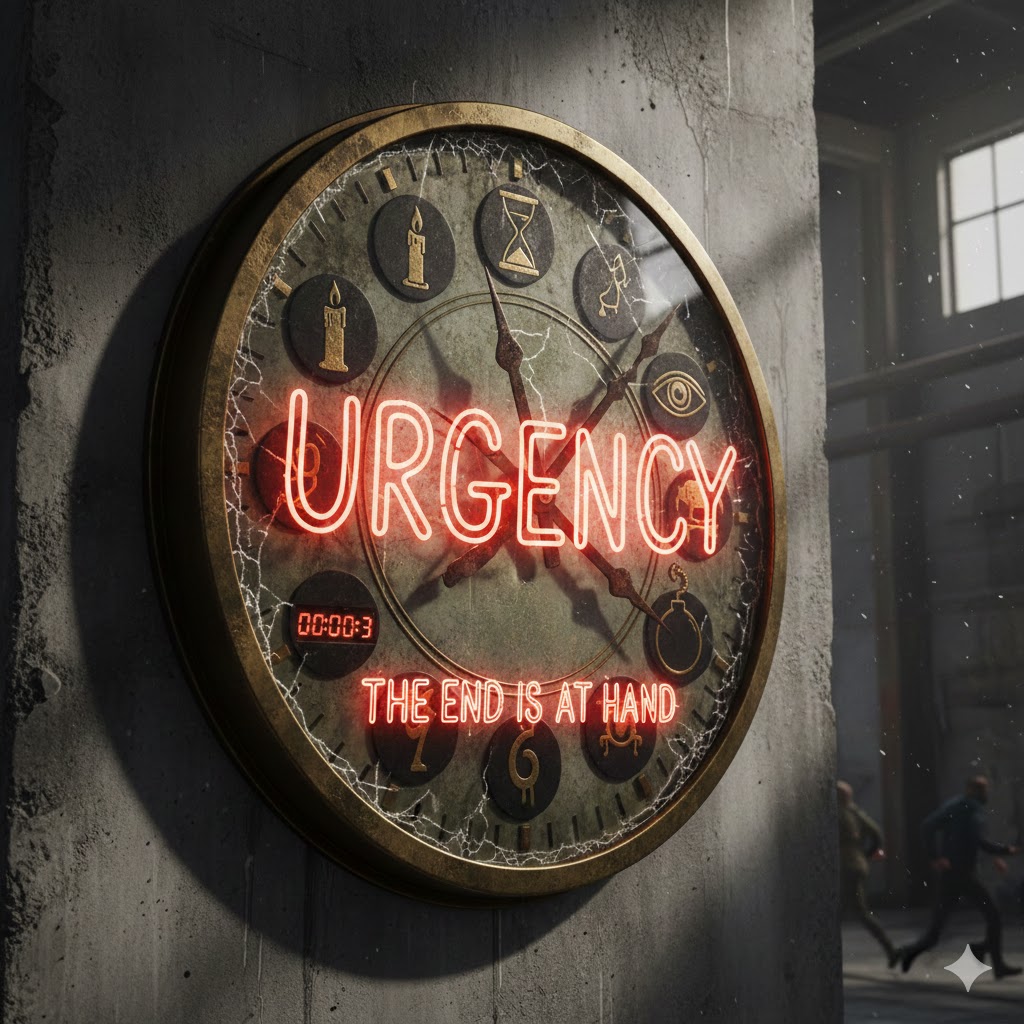
Think for a moment about a time you had a truly hard deadline, not just a gentle suggestion, but a firm stop date. Maybe it was finishing a paper, closing a deal, or getting to the airport before your gate closed. The moment that deadline became real, all the small, time wasting habits, mindless scrolling, rewatching old shows, worrying over things you couldn’t change. Peter is giving us the ultimate, non negotiable deadline: “The end of all things is at hand.” This isn’t meant to cause panic; it’s meant to cause clarity. In our human lives, we get so bogged down in the ‘urgent’ but unimportant: the stress over a chipped mug, the compulsion to “win” a pointless online argument, the worry over what others think of our looks. But when we face the truth of eternity, these things feel like sand slipping through our fingers. The lesson here is the realization that our time is short, and we need to stop wasting the precious, limited moments we’ve been given on things that won’t matter five minutes after we leave this earth.
This urgency leads directly to the call to “be ye therefore sober.” To be “sober” is not just about avoiding intoxication; it’s about avoiding spiritual fuzziness. How often do we make terrible decisions because we’re operating on fumes, running on stress, or letting our emotions rage unchecked? We snap at our loved ones, we make rash purchases, or we give up on good habits because we aren’t thinking clearly. Sobriety, in the human context, is about intentionality. It’s the moment you pause before hitting ‘send’ on a hateful email. It’s the choice to turn off the constant stream of news and noise just to hear your own heart beat and God’s voice. It’s the discipline of a busy parent who sets aside ten minutes of quiet time. Not because they aren’t tired, but because they know their spirit needs the nourishment to handle the day. Peter tells us we need to be clear headed and disciplined, because a distracted mind is an easy target for spiritual defeat.
And how do we maintain this clarity and discipline? By learning to “watch unto prayer.” I think of this not as a rigid chore, but as an instinctive reflex. Imagine a new mother who wakes the moment her baby makes the slightest sound. We are called to develop that same instinct for our spiritual lives. When anxiety creeps in, we don’t just stew; we pray. When a hurtful thought about a neighbor arises, we don’t just dwell; we pray for them. When we feel overwhelmed by the state of the world, we don’t just despair; we watch the situation and lift it to the only one who can truly help. Prayer is the humble human act of saying, “I can’t handle this on my own.” Let the reality of our limited time drive us to sober living, and let that sober living find its power, purpose, and peace in the constant, watchful presence of prayer.
 edifiedones.com
Leave a comment