
Lord, let your ear be attentive to the prayer of this your servant and to the prayer of your servants who delight in revering your name. Give your servant success today by granting him favor in the presence of this man.” I was cupbearer to the king.” – Nehemiah 1:11
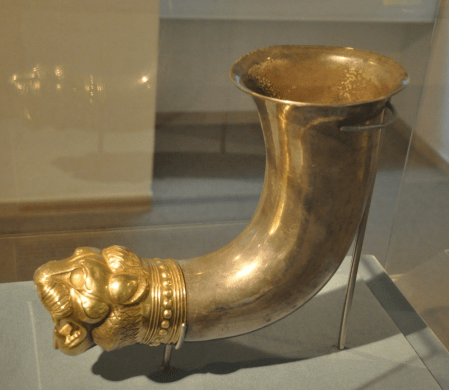
Very little is known about Nehemiah’s genealogy, youth and background, except that he served in the Persian royal court as the personal cupbearer to King Artaxerxes. Although it may seem like a poor job, cup-bearing was regarded as a noble office throughout this period in history. The cupbearer’s role back then was to taste any wine brought to the king in case it contained poison, they were also expected to be social and tactful companions to the king. The king had to trust his cupbearer with his very life, and due to this many cupbearers at the time commanded a great deal of respect.
The book opens up on a time when Nehemiah enquired about the state of the Jewish remnants from Hanani, a brother who had visited from Judah, along with other men.
“They said to me, “Those who survived the exile and are back in the province are in great trouble and disgrace. The wall of Jerusalem is broken down, and its gates have been burned with fire. ”When I heard these things, I sat down and wept. For some days I mourned and fasted and prayed before the God of heaven.” – Nehemiah 1:3
We can see clearly see from the above that he was a man the king trusted and respected, and he loved his country. Most importantly, he was a man of prayer, as his closing verse says, “For some days I mourned and fasted, and I prayed to the God of heaven.” Eleven times in thirteen chapters Nehemiah used the phrase “So I prayed to the God of Heaven” referencing the need for a superior insight on what action to take. He goes on to pray a powerful prayer in chapter 11 of the first chapter, “Lord, let your ear be attentive to the prayer of this your servant and to the prayer of your servants who delight in revering your name. Give your servant success today by granting him favor in the presence of this man.” I was cupbearer to the king.” – Nehemiah 1:11
Four months after learning this information, the king grants him an audience and permission to embark on the rebuilding of the wall. He goes on to approve letters commanding his governors to provide resources necessary to Nehemiah for the rebuilding. Afterall, Nehemiah had been a loyal and faithful servant to him, but little did the king know Nehemiah was a praying man. As the popular adage goes, “A man who kneels before God can stand before any man.” He can stand before any man because God will make him.
“And because the gracious hand of my God was on me, the king granted my requests.” _ Nehemiah 2:8
Not only Nehemiah, the bible speaks of how very early in the morning, Jesus got up and went to a solitude place to pray (Mark 1:35). In Luke, Jesus is described as a man who courted favor from both God and man, and grew in wisdom and stature. Did all this happen to Him because He was a son of God? You can make that argument, but I strongly believe the reason for this was His insistent desire to always seek the face of God.
Many Christians today tick all the boxes and pass for great Christians except for the prayer box. Many of us don’t attach a lot of seriousness into developing a consistent praying life. We can all draw some wisdom from Martin Luther, “to be a Christian without prayer is no more possible than to be alive without breathing.” Daniel prayed three times daily, and the favor of God was on him (Daniel 1:9). Jesus woke up at dawn to a solitude place to pray, the favor of God was on Him. Eleven times in thirteen chapters Nehemiah prayed to the God of Heaven, and the favor of God was on Him. We cannot begin to imagine how mightily God will use us if we adopt this lifestyle. God help us all, Amen!
 edifiedones.com
Leave a comment